
Dominic Suszek, Author at Global RADAR - Page 5 of 50

Global RADAR Blog

  • Home
  • Dominic Suszek is the founder and chief executive of Global RADAR. He spent twenty one years inside bank operations before building the software that automates them, as chief information officer of Jefferson National Bank in Miami Beach from 1986 to 1997 and as chief operations and technology officer of TransAtlantic Bank from 1997 to 2007. Since 2007 he has served as an interim Bank Secrecy Act officer and anti money laundering remediation coordinator for financial institutions, and he sits on the board and the risk and audit committee of Natbank. He is the author of The Complete Anti-Money Laundering Guide and The Complete Guide to Sanctions, among eight published titles on financial crime compliance.
Court ruling on money laundering through American real estate

Trending: Controversial Court Ruling Leaves Door Open for Money Laundering through American Real Estate

For years, U.S. policymakers and regulators have worked to close what has long been considered the most pervasive loophole in America’s otherwise staunch anti-money laundering framework: residential real estate purchases. Many believed that true change was on the horizon when the U.S. Treasury Department’s Financial Crimes Enforcement Network (FinCEN) announced its groundbreaking final Residential Real […]

Read More

FinCEN - Financial Crimes Enforcement Network logo

The Paradigm Shift in AML and OFAC Compliance: FinCEN’s New Whistleblower Rule

Yesterday, March 30, 2026, the Financial Crimes Enforcement Network (FinCEN) issued a Notice of Proposed Rulemaking (NPRM) that fundamentally alters the risk landscape for compliance professionals, crypto founders, and financial executives. By moving to fully implement the AML Whistleblower Improvement Act, FinCEN has established a framework to pay whistleblowers between 10% and 30% of collected […]

Read More

Financial Warfare: Sanctions and Watchlists Disrupt Terror Funding Networks Amid International Conflict

In early March, U.S. Treasury Department’s Financial Crimes Enforcement Network (FinCEN) released a statement informing American financial institutions that the Financial Action Task Force (FATF), an intergovernmental body that establishes international standards for anti-money laundering, countering the financing of terrorism, and countering the financing of proliferation of weapons of mass destruction (AML/CFT/CPF) recently updated its […]

Read More
Transaction Analysis

The Compliance Conundrum: How AI Hype Can Create New AML Risks

The integration of artificial intelligence into anti-money laundering (AML) and counter-terrorism financing (CTF) programs in the United States is no longer theoretical; it is actively reshaping how banks approach sanctions screening, transaction monitoring, and customer due diligence (CDD). Yet with the great promise offered by ever-developing AI solutions within this space also comes growing risk: […]

Read More
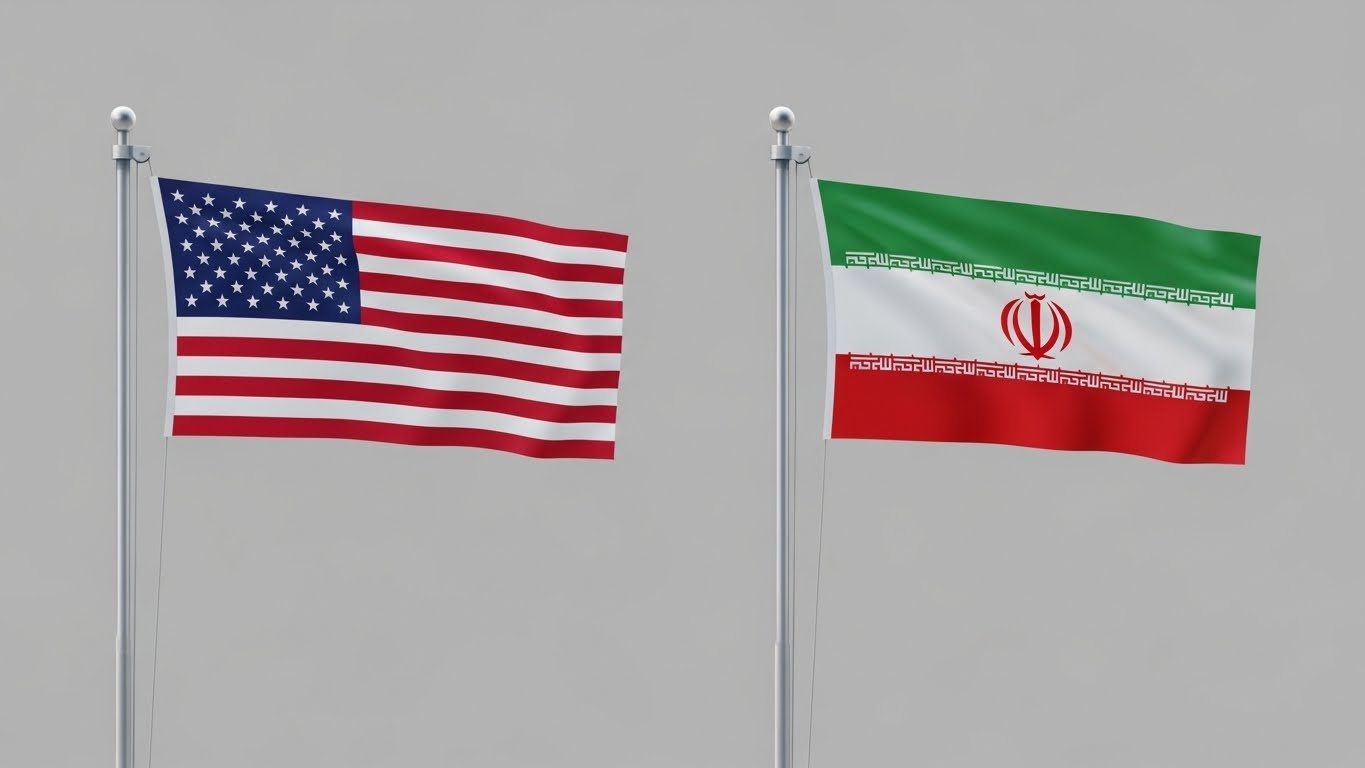
Flags of the U.S. & Iran

Iran’s Shadow Banking Exploits Casts Spotlight On Fintech Sanctions Compliance

Rising geopolitical tensions are intensifying the pressure currently placed on both domestic and international financial institutions to strengthen their compliance safeguards, and nowhere is this more evident than in the rapidly expanding Financial Technology (“FinTech”) sector. Financial intelligence recently released by the U.S. Treasury Department’s Financial Crimes Enforcement Network (FinCEN) suggests that global conflict and […]

Read More
American banks oppose citizenship verification order

Trending: American Banks Fight Back Against Rumored Citizenship Verification Order

Last week, reports emerged that the United States government could once again be bringing forth new legislation with a sizeable impact on the domestic banking sector, namely with respect to the regulatory compliance sphere. The Trump Administration is reportedly exploring the announcement of a possible executive order that would require U.S. banks to collect citizenship […]

Read More
As Crypto Regulation Faces Impasse, Illicit Financial Flows Soar

As Crypto Regulation Faces Impasse, Illicit Financial Flows Soar

The rapid expansion of cryptocurrency markets (largely powered by increased consumer and institutional investment) over the past decade has effectively reshaped the conversation on global finance. At the forefront of this discussion are the highly-publicized leaders in this space – Bitcoin and Ethereum – tokens now offering great investment potential and lauded for their potential […]

Read More
FinCEN - Financial Crimes Enforcement Network logo

FinCEN Announces New-and-Improved Onboarding Protocols for Domestic Banks

Since 2025, the Trump administration has focused on reducing regulatory burdens for banks by targeting “debanking” practices, removing subjective “reputational risk” metrics in banking oversight, and even restructuring the very regulatory organizations that govern firms’ compliance with current legislation. Customer Due Diligence (CDD) however remains at the forefront of the United States’ ongoing anti-money laundering […]

Read More
The Rise of Whistleblower Influence in U.S. Anti-Crime Enforcement

The Rise of Whistleblower Influence in U.S. Anti-Crime Enforcement

In wake of ongoing accusations of widespread fraud involving state and federal government-backed programs across the country operating at the expense of the American taxpayer, the U.S. Department of the Treasury (DOT) recently unveiled a new portal designed to collect anonymous tips on fraud, money laundering, sanctions evasion, and other notable financial crimes. In a press release […]

Read More
How the Human Element Complicates Regulatory Compliance

How the Human Element Complicates Regulatory Compliance

Since the turn of the century, government-mandated anti-money laundering (AML) frameworks have stood as the financial industry’s first line of defense against illicit activity, with legislation governing respective programs designed to detect suspicious activity and stop the proceeds of criminal activity from being “cleaned” through financial institutions – protecting the integrity of both the domestic […]

Read More