
Iran’s Shadow Banking Exploits Casts Spotlight On Fintech Sanctions Compliance
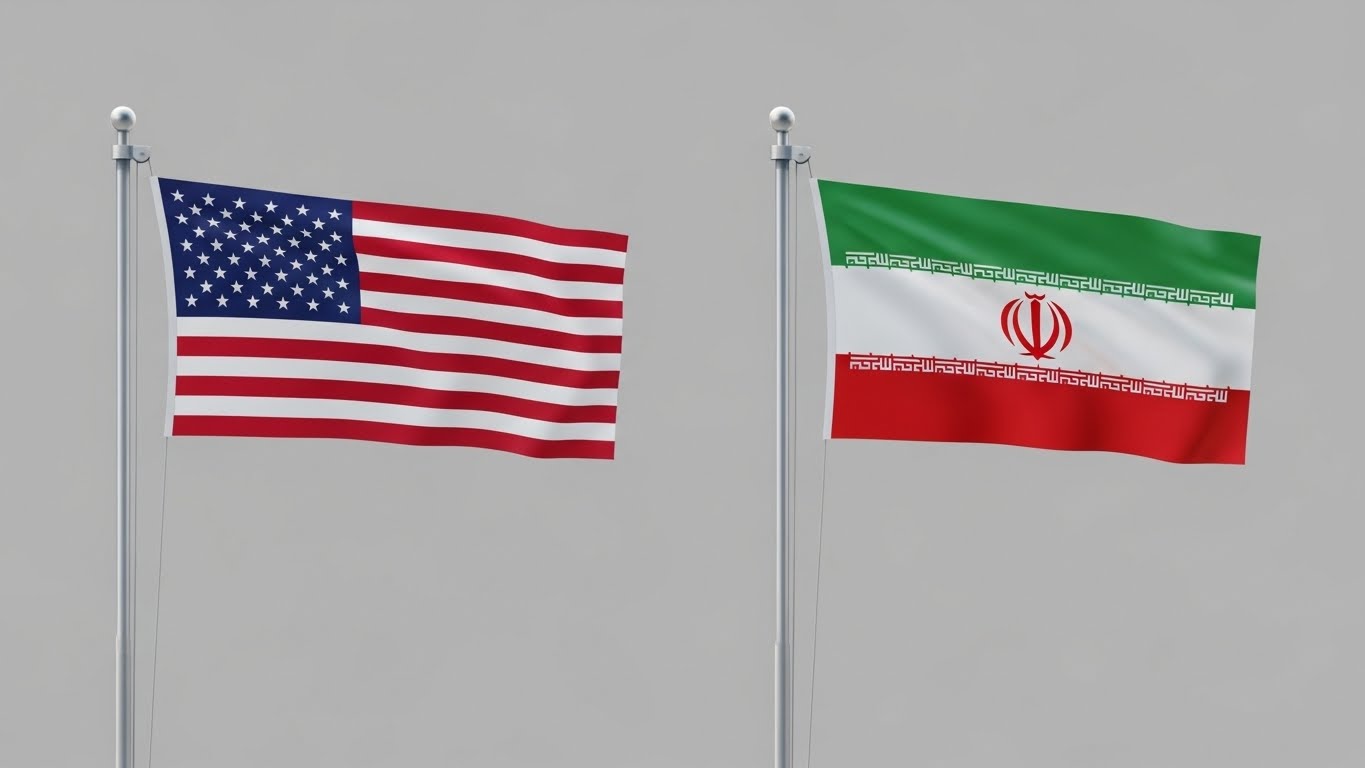
Rising geopolitical tensions are intensifying the pressure currently placed on both domestic and international financial institutions to strengthen their compliance safeguards, and nowhere is this more evident than in the rapidly expanding Financial Technology (“FinTech”) sector. Financial intelligence recently released by the U.S. Treasury Department’s Financial Crimes Enforcement Network (FinCEN) suggests that global conflict and technological development have converged to create new concerns for those operating within the financial sector with the embattled Iran seeking to exploit these vulnerabilities in order to escape the stranglehold of sprawling global sanctions.
In recent months, regulators and compliance experts have warned that FinTech companies might face increased scrutiny as the budding war in the Middle East continues to raise elevated sanctions evasion risks. Several U.S. government agencies have warned that smaller banks and FinTech firms; many of which specialize in fast, cross-border payments could create unwanted avenues for illicit financial flows to reach Iran’s ultra-critical energy sector, as well as their military infrastructure, in wake of the current “maximum pressure” sanctions efforts being employed by the U.S. government. This holds especially true for firms whose compliance systems fail to keep pace with the scale and increasing complexity of modern sanctions regimes.
Since the start of 2026, the United States government has initiated extensive efforts to limit the funds available to Iran’s shadow banking fleet as well to hinder the country’s ability to profit off of its inherent lifeline: natural gas and oil. Over 32 individuals, entities, and vessels have been placed on the Office of Foreign Assets Control (OFAC) Specially Designated Nationals list this year alone, prohibiting all U.S. entities from transacting with them and placing pressure on the international counterparts of the United States to do the same. These novel designations add to the 15 major rounds of sanctions issued by the U.S. and its allies on Iran’s oil, drone, and missile sectors announced since 2023 and used in order to curb funding for the country’s proxy groups. In spite of these efforts, FinCEN’s 2025 Financial Trend Analysis (FTA) identified that approximately $9 billion of potential Iranian shadow banking activity had still occurred through U.S. correspondent accounts in 2024, signaling that significant revenue streams remain available to Tehran in spite of seemingly stringent American efforts to shun them from the greater global financial system. FinCEN writes that:
“Tehran relies on shadow banking networks of Iran-based exchange houses and foreign companies to evade sanctions, sell oil and other commodities abroad, launder money, sustain its regional terrorist proxies, and fund its military and weapons programs. Iranian shadow banking networks are connected across continents—most prominently through the United Arab Emirates (UAE), Hong Kong, and Singapore by a diverse array of Iranian front companies. This includes oil companies, shell companies, shipping companies, investment companies, and technology procurement companies, which transact billions of dollars with each other and with unrelated companies, who may be witting or unwitting counterparties.”
These financial flows pass through complex chains of business and various financial institutions, making them difficult to detect without robust monitoring systems. All told, FinCEN’s findings indicate that roughly $5 billion of the suspicious transactions involved shell companies, while an additional $4 billion was linked to Iranian oil and energy firms operating through intermediaries abroad. As the presence of FinTech platforms expand globally, regulators now worry that weaker and/or less mature compliance programs could allow sanctioned actors to turn to them and move funds through the digital financial channels that they offer, which already require less oversight than traditional banking institutions. While large domestic banks have long been subject to strict compliance requirements, FinTech firms and newer digital payment platforms are lagging in this regard, especially when it comes to uniform oversight across the globe, this in spite of their growing presence as a major piece of the global financial infrastructure.
In many cases, Fintechs are regulated indirectly or through partnerships with banks, this while the banks themselves are subject to comprehensive prudential supervision. Both must currently comply with anti-money laundering regulations that are overseen by FinCEN, however. Fintechs have also been held responsible for OFAC sanction violations committed on or through their products, with multiple cases of this variety seen in recent history. However, Fintechs typically face AML requirements only if they qualify as a Money Services Business or operate under a chartered bank. The issue for regulators is that there is a sense of undue innocence – if not ignorance – on behalf of FinTech firms when it comes to meeting their potential requirements in this regard, this as many simply believe their banking partners take care of know-your-customer compliance requirements for them, even though this is not generally the case. The most important objective for these firms amidst the current state of affairs overseas is that they are responsible for ensuring capital is not moving in violation of applicable sanctions, and this begins with making sure their respective safeguards (including staying updated with published national and global watch and sanctions lists to match the most recent efforts taken by the U.S. government) are in line, allowing for the proper facilitation of risk flagging and suspicious activity reporting.
Given the recent geopolitical developments that continue to unfold, financial technology has undoubtedly become a central concern for regulators as 2026 continues forward. The findings of FinCEN’s 2025 analysis only compound the belief that FinTech firms must embrace greater responsibility when it comes to implementing stronger know-your-customer (KYC) verification, transaction monitoring, and sanctions screening processes or risk the potential of being contributors to illicit financial activity on behalf of heavily-sanctioned entities such as Iran, Russia, and China. As tensions with Iran continue to shape U.S. foreign policy initiatives, authorities are signaling that sanctions compliance must extend beyond traditional banks to encompass the whole of the growing digital financial ecosystem.
Citations
- U.S. Department of the Treasury, Financial Crimes Enforcement Network. “FinCEN Identifies $9 Billion of Iranian Shadow Banking Activity in 2024.” Financial Crimes Enforcement Network, 23 Oct. 2025
2.Huspen, Melissa.“Iran War Brings Urgency to Fintechs’ Sanctions Compliance.” American Banker, 3 Mar. 2026.